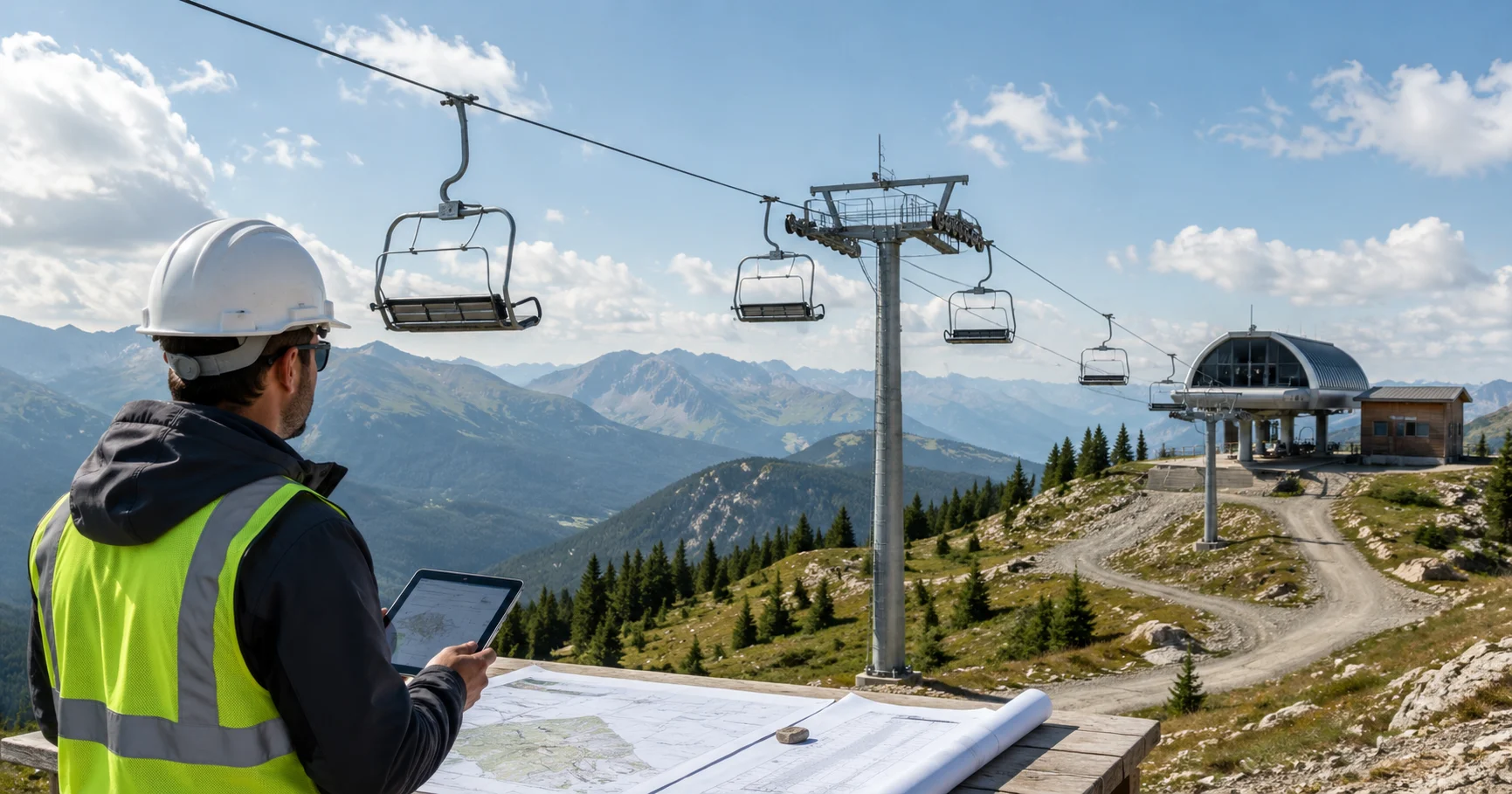
Installing Monocable Chair Car Systems is a major investment for tourism projects, mountain resorts, amusement parks, pilgrimage routes, and eco-tourism destinations. These ropeway systems provide safe, efficient, and comfortable transportation while reducing road congestion and environmental impact. However, choosing the right system requires careful planning, technical evaluation, and long-term operational considerations.
Whether you’re planning a new ropeway project or upgrading an existing transport system, understanding the key factors before installation can help you avoid costly mistakes and ensure reliable performance for years to come.
Why Proper Planning Matters for Monocable Chair Car Systems
Every ropeway project has unique challenges. Terrain, passenger capacity, weather conditions, environmental regulations, and maintenance requirements all influence the success of the installation.
A well-planned Monocable Chair Car Installation ensures smoother project execution, improved passenger safety, lower operating costs, and better return on investment. It also minimizes downtime and supports sustainable transportation in difficult landscapes where conventional roads are impractical.
Before making any investment decision, project owners should evaluate both technical and operational requirements rather than focusing only on initial installation costs.
Key Factors to Consider Before Installing Monocable Chair Car Systems
1. Study the Terrain and Site Conditions
The geographical characteristics of the project site play a vital role in determining system performance. Rocky hills, forests, valleys, rivers, and steep slopes require different engineering approaches.
A professional site survey should include:
- Elevation changes and slope gradients
- Geological stability
- Wind patterns
- Accessibility for construction equipment
- Environmental impact assessment
These evaluations help engineers determine the ideal tower locations, cable alignment, and station positioning while ensuring long-term operational safety.
2. Evaluate Passenger Capacity Requirements
One of the most important Monocable Chair Car Design Considerations is estimating expected passenger traffic.
Ask questions such as:
- How many visitors are expected daily?
- Will demand increase during holidays or peak seasons?
- Is the system intended for tourists, commuters, or pilgrims?
Correct capacity planning ensures shorter waiting times while avoiding unnecessary investment in oversized infrastructure.
Passenger flow analysis also influences chair spacing, loading stations, and overall system efficiency.
3. Focus on Safety Standards and Regulatory Compliance
Safety should always be the highest priority in any ropeway project.
Modern Chair Car Ropeway System solutions are designed with multiple safety features, including emergency braking systems, backup power supplies, automatic monitoring, wind sensors, and evacuation procedures.
Before installation, ensure compliance with:
- National ropeway regulations
- International engineering standards
- Structural safety guidelines
- Electrical safety requirements
- Environmental approvals
Working with experienced engineering teams helps ensure every component meets industry standards throughout installation and operation.
Monocable Chair Car Systems Design and Technical Considerations
Selecting the right technology involves more than choosing a cable or chair type. The complete engineering design directly affects efficiency, safety, and maintenance costs.
Some important Monocable Chair Car Design Considerations include:
- Rope tension calculations
- Tower spacing
- Drive station location
- Return station design
- Passenger loading and unloading areas
- Wind resistance
- Emergency evacuation planning
Proper engineering minimizes wear on moving components while improving passenger comfort throughout the journey.
A carefully engineered Monocable Chair Lift System also reduces operational disruptions caused by challenging weather or heavy usage.
4. Choose High-Quality Components
The quality of equipment determines the overall reliability of the installation.
Critical components include:
- Haul rope
- Towers
- Chairs
- Drive machinery
- Gearboxes
- Bearings
- Electrical control systems
- Communication equipment
Using certified components reduces maintenance frequency and increases service life.
A premium Monocable Chair Lift System often delivers better operational efficiency, smoother passenger movement, and lower lifecycle costs than low-cost alternatives.
5. Understand Installation and Construction Challenges
Every Monocable Chair Car Installation project involves multiple construction stages.
These may include:
- Foundation construction
- Tower erection
- Rope installation
- Mechanical assembly
- Electrical integration
- Testing and commissioning
Weather conditions, transportation of heavy equipment, and difficult terrain can significantly affect project timelines.
Proper planning helps minimize delays and ensures the project stays within budget.
6. Consider Long-Term Maintenance Requirements
Many project owners focus only on installation costs while overlooking future maintenance expenses.
Routine maintenance typically includes:
- Cable inspections
- Lubrication
- Brake testing
- Bearing replacement
- Electrical diagnostics
- Structural inspections
Selecting systems with easy maintenance access and readily available spare parts helps reduce operational downtime.
An efficient maintenance strategy also extends equipment lifespan and improves passenger safety.
How to Choose a Monocable Chair Car System for Your Project
Understanding How to Choose a Monocable Chair Car System begins with evaluating your project’s specific requirements rather than selecting the most expensive solution.
Consider the following factors:
- Passenger demand
- Travel distance
- Elevation difference
- Budget
- Future expansion plans
- Operating environment
- Energy efficiency
Consulting experienced ropeway specialists ensures that the selected configuration aligns with both technical requirements and long-term business objectives.
Every project is unique, and How to Choose a Monocable Chair Car System ultimately depends on balancing performance, safety, maintenance, and cost-effectiveness.
Explore More:- Best ropeway manufacturer in India | Ropeway Electro-Mechanical Parts Supplier | Funicular System manufacturers in India
7. Energy Efficiency and Sustainability
Modern ropeway transportation is increasingly valued for its environmental benefits.
Compared with conventional road transport, ropeways reduce:
- Carbon emissions
- Fuel consumption
- Road construction requirements
- Noise pollution
Energy-efficient drive systems and regenerative technologies further improve sustainability while lowering operational costs.
These benefits make ropeways attractive for eco-tourism projects, wildlife parks, heritage destinations, and mountain resorts.
8. Budget Planning Beyond Initial Costs
A successful project budget should include far more than equipment procurement.
Important cost factors include:
- Civil construction
- Engineering design
- Transportation
- Installation
- Testing
- Staff training
- Maintenance
- Spare parts
- Annual inspections
Evaluating total ownership cost provides a more accurate picture of long-term investment returns.
9. Work with an Experienced Solution Provider
The expertise of the installation partner often determines project success.
An experienced company can provide:
- Feasibility studies
- Engineering consultation
- Site assessment
- Custom system design
- Installation support
- Testing and certification
- After-sales maintenance
For organizations seeking professional ropeway engineering solutions, companies such as Aarmageddon Adventures can assist in developing reliable systems tailored to specific project requirements.
Conclusion
Selecting the right Monocable Chair Car Systems requires careful evaluation of terrain, passenger capacity, engineering design, safety standards, maintenance planning, sustainability, and long-term operational costs. Making informed decisions during the planning stage helps prevent expensive modifications later while improving system reliability and passenger satisfaction. By working with experienced professionals and focusing on quality engineering, project owners can develop a safe, efficient, and future-ready ropeway solution that delivers lasting value.
Frequently Asked Questions
1. What are Monocable Chair Car Systems?
They are ropeway transportation systems where a single moving cable supports and pulls passenger chairs along a fixed route.
2. How long does a Monocable Chair Car Installation take?
The installation timeline depends on terrain, project size, and weather, but most projects take several months from construction to commissioning.
3. What is the advantage of a Monocable Chair Lift System?
It offers efficient passenger transport, lower environmental impact, reliable operation, and reduced road congestion.
4. What are the most important Monocable Chair Car Design Considerations?
Key considerations include terrain analysis, passenger capacity, safety systems, tower placement, rope tension, and weather conditions.
5. How to Choose a Monocable Chair Car System for a tourism project?
Evaluate passenger demand, site conditions, budget, maintenance needs, safety standards, and future expansion before selecting the most suitable system.